 Sarah
Sarah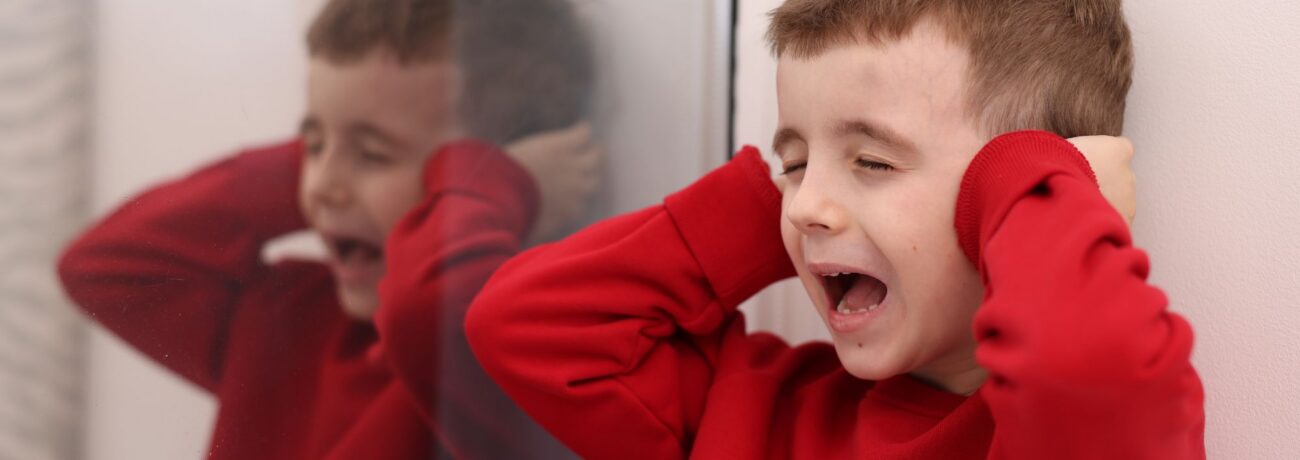
Behavior Challenges of Autism: What Parents Should Know
One pattern Champions ABA clinicians observe frequently when working with new families: the behavior that brought a parent to seek help is rarely the actual starting point. A child who hits a sibling at dinner has often already spent a full school day managing fluorescent lights, unpredictable transitions, and the sensory demands of a loud cafeteria. The hitting at dinner is the end of a chain that started hours earlier and built without anyone recognizing it.
Behavior challenges of autism are not random, and they are not signs of a child who wants to cause problems. They are the result of a nervous system under stress, communication needs that are not yet met, and environments that have not yet been adjusted to support the child. For families in Connecticut, Massachusetts, and Colorado, understanding this distinction is where meaningful progress begins.
Champions ABA provides in-home ABA therapy, diagnostic evaluations, and parent training designed to identify the specific causes behind each child’s behavior challenges and build practical skills that create real change across home, school, and community settings.
What Are Behavior Challenges of Autism?
Behavior challenges of autism are recurring behaviors such as aggression, meltdowns, self-injury, elopement, or withdrawal that occur when a child with autism spectrum disorder (ASD) feels overwhelmed, is unable to communicate a need, or is struggling to cope with their current environment. These behaviors serve a function, even when that function is not immediately visible.
The most important reframe for parents is this: behavior is communication. A child who bites may be saying, “This is too much, and I cannot find another way to tell you.” Running away may signal an escape from an environment whose sensory demands feel unbearable. Screaming at transition time may reflect genuine distress at shifting from a preferred to a non-preferred activity — not manipulation.
Understanding the reason behind a behavior does not mean ignoring safety. It means treating the cause instead of only reacting to the behavior itself. That distinction is what separates effective intervention from strategies that manage behavior temporarily but do not produce lasting change.
Common Behavior Challenges of Autism
Aggression and Self-Injurious Behavior
Aggression in children with autism, including hitting, biting, kicking, or throwing objects, is one of the most stressful behavior challenges families face. It is also one of the most studied. A longitudinal study on early intensive ABA intervention involving 20 children ages 2 to 6 found an 86% decrease in challenging behaviors, including aggression and self-injury, after an average of 27 months of ABA treatment, with the greatest reductions occurring in the first year.
Self-injurious behaviors such as head-banging, skin picking, or biting oneself signal significant distress. A 2025 review published in PMC examining 13 studies on self-injurious behavior in children and adolescents with ASD confirmed that ABA-based interventions are among the most effective approaches for reducing self-harm, particularly when they address the function of the behavior rather than suppressing it.
These behaviors require a structured, individualized assessment before any intervention plan is built. A functional behavior assessment identifies why the behavior is occurring, which determines what the intervention should actually teach.
Meltdowns and Emotional Outbursts
Meltdowns are not tantrums. A meltdown is a neurological response to a system that has been overloaded. The child is not making a calculated decision. They have reached a threshold where regulation is no longer possible without external support.
In ABA sessions, clinicians often observe that meltdowns follow a predictable buildup. A child who melts down at 4 pm after school has usually been accumulating stress since morning. The 4 pm event is often just the final stress point after a full day of overload.
Understanding the buildup pattern is as important as responding to the meltdown itself. Calming strategies and behavior strategies that work with the buildup, rather than only responding at the peak, produce more consistent results.
Elopement and Running Away
Elopement, where a child runs away from caregivers or safe spaces without warning, is one of the most dangerous behavior challenges of autism. It typically functions as an escape from an overwhelming environment or sensory experience. Children who elope often cannot communicate that they need to leave, so leaving becomes the only available option.
Addressing elopement requires both safety planning and communication-building. The goal in ABA is to teach the child a functional alternative to running, such as requesting a break or moving to a designated calm space, while also reducing the environmental triggers that make elopement necessary.
Avoidance and Withdrawal
Avoidance behaviors such as refusing to participate, shutting down, or withdrawing from activities or people are often misread as oppositional behavior. In most cases, they reflect a child who is overwhelmed, anxious, or lacks the communication skills to express that they need something to change.
A child who refuses to enter a classroom may be responding to sensory overload from the noise level or lighting. A child who stops engaging during a task may have reached their frustration threshold with a demand that exceeds their current skill level. Recognizing avoidance as a signal rather than defiance changes how caregivers respond.
Why Behavior Challenges Happen
Behavior challenges in autism usually come from a mix of sensory stress, communication difficulty, emotional overload, and routine disruption. When families understand these triggers, they can prevent many behaviors before they escalate.
Sensory overload is one of the most common drivers. A busy classroom, a grocery store with competing sounds and lights, or clothing with an uncomfortable texture can push a child’s nervous system past its regulatory capacity. When that happens, challenging behaviors are often the result.
Communication difficulties create frustration when a child cannot express pain, discomfort, or a need for help. The less expressive language a child has access to, the more behavior becomes their primary communication tool.
Emotional regulation challenges mean that even when a child understands what is happening, they may not yet have the internal tools to manage strong feelings effectively. This is a skill gap, not a character trait, and it is one of the core areas ABA therapy directly addresses.
Transition and routine disruption affect children with autism because predictability is a genuine coping strategy, not a preference. When the expected sequence of a day changes without preparation, the resulting distress is real and often intense.
Physical factors such as hunger, fatigue, illness, or poor sleep lower a child’s threshold for all of the above. A child who manages morning transitions reasonably well when rested may fall apart with the same transition after a bad night’s sleep.
Early Warning Signs Before Behavior Escalates
Champions ABA clinicians consistently find that the behaviors families report as sudden are rarely sudden at all. Children almost always show early warning signs before a full behavioral escalation. Learning to read these signals is one of the most practical skills caregivers can develop.
Common early warning signs include:
- Increased repetitive movements such as rocking, pacing, or hand-flapping
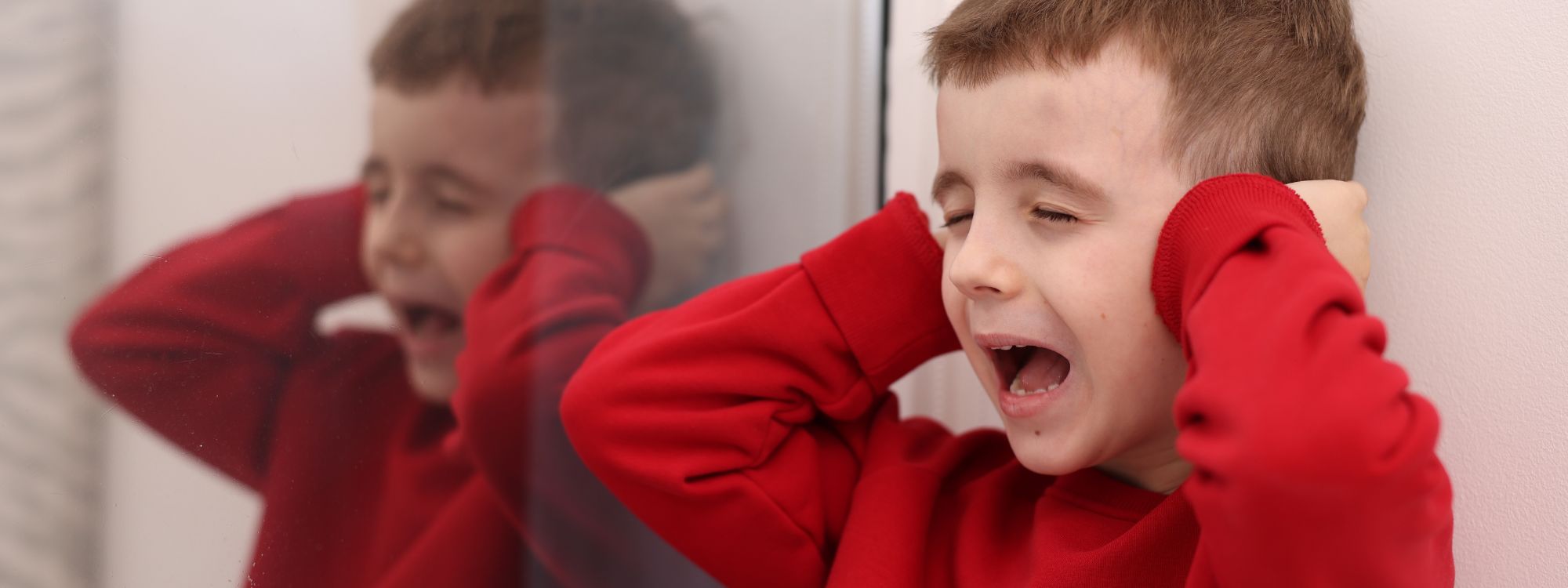
- Covering ears, closing eyes, or pulling away from sensory input
- Repeating phrases or asking the same question multiple times
- Sudden drop in frustration tolerance or increase in irritability
- Withdrawing from activities, people, or conversations without explanation
- Physical signs such as tense posture, flushed skin, or shallow breathing
When these signals appear, simple early interventions, offering a sensory break, reducing environmental demands, and moving to a quieter space, can prevent escalation entirely. The window between early warning and full meltdown is often longer than parents realize, and acting within that window is far more effective than responding after the peak.
Understanding the Function of Behavior
One of the most useful frameworks in ABA therapy is the ABC model: Antecedent, Behavior, Consequence. Rather than focusing only on what a child did, it looks at the full context around the behavior to identify its function.
- Antecedent: What happened immediately before? What was the environment, activity, demand, or sensory context?
- Behavior: What exactly did the child do? How intense was it, and how long did it last?
- Consequence: What happened after? How did adults respond, and what changed in the environment?
A 2024 comparative study from ASAT reviewing functional behavior assessment research confirmed that combining caregiver-collected ABC data with structured indirect assessment produces reliable identification of behavior functions, and that parents who understand the FBA process are better positioned to support intervention implementation at home.
Over time, tracking ABC patterns reveals the function behind each behavior, whether it is escape, attention, access to something preferred, or sensory regulation. Once the function is identified, the intervention can teach the child a safer, more effective way to meet the same need.
How to Respond to Behavior Challenges
Before Behavior Happens
Prevention is consistently more effective than reaction. Creating predictable daily routines, using visual schedules to prepare children for transitions, and reducing known sensory triggers removes many of the conditions that produce challenging behavior before they arise.
Preparing a child verbally and visually before a transition, rather than announcing it at the moment it happens, reduces resistance significantly. A first-then board or countdown timer gives a child the predictability their nervous system needs to shift activities without distress.
During Behavior
When a behavior is actively occurring, the priority is safety and de-escalation, not teaching. Speaking calmly, reducing sensory input, and giving the child space to regulate is more effective than attempting to reason or redirect during the peak of a meltdown or aggressive episode.
Staying regulated yourself matters. When a caregiver escalates in response to a child’s behavior, it adds to the sensory and emotional load the child is already experiencing. A calm, predictable adult response is itself a regulating influence.
After Behavior
Once the child is calm, that is the appropriate time to teach. Reviewing what happened, practicing alternative communication responses, and reinforcing any positive choices the child made are all more effective after regulation has been restored. Attempting to teach in the immediate aftermath of a meltdown, before the child has recovered, rarely produces learning.
How ABA Therapy Addresses Behavior Challenges
ABA therapy works by identifying the function behind each behavior challenge and building the specific skills that address it directly. Rather than focusing only on reducing a behavior, the goal is to understand why it is happening and give the child something more effective to do instead.
A 2024 scoping review published in PMC on caregiver-implemented ABA interventions found that caregivers can implement many behavior change strategies with high treatment integrity, and that positive child outcomes were consistently achieved when caregivers were trained to use functional assessment and functional communication strategies. The review noted that these outcomes were both effective and sustainable according to caregiver reports.
A 2024 study published in PMC on managing aggressive behavior in adolescents with ASD confirmed that ABA-based approaches using the ABC framework are among the most evidence-supported non-pharmacological interventions, particularly when they incorporate functional behavior assessment and positive reinforcement of replacement behaviors.
At Champions ABA, BCBAs begin with structured observation and a functional behavior assessment before any treatment plan is developed. This means the plan is built around what is actually driving the behavior in this child’s actual environment, not a generalized approach applied to all children.
Key areas ABA therapy targets for behavior challenges include:
- Functional communication training so children have alternatives to behavior-based expression
- Emotional regulation strategies that build the child’s internal coping toolkit
- Daily living skills that reduce the demands that currently produce avoidance or frustration
- Behavior goals tied to real-life outcomes that the family and child actually care about
- Caregiver coaching so strategies are applied consistently between sessions
The Role of Parent Training in Managing Behavior Challenges
Parent training is not supplemental to ABA therapy for behavior challenges. It is essential. Most of a child’s day happens outside therapy sessions. If the strategies used during sessions are not replicated consistently at home and school, the behavior changes observed in therapy do not generalize to daily life.
A PMC study on behavioral parent training (BPT) found significant decreases in caregiver-reported child externalizing behavior, sleep challenges, feeding challenges, and caregiver stress following a structured BPT program. Importantly, positive child behaviors also increased. This study reinforces that parent training produces outcomes beyond behavioral reduction; it improves the overall quality of daily life for families.
At Champions ABA, parent training is built into every behavior support plan from the beginning. Caregivers learn how to identify early warning signs, implement prevention strategies, respond effectively during escalation, and teach replacement skills during calm moments.
When to Seek Help for Behavior Challenges
Families should seek professional support when behavior challenges are frequent, intensifying, or beginning to affect the child’s ability to participate in daily routines, school, or relationships. Waiting rarely leads to improvement, and earlier identification of the function behind a behavior leads to faster and more durable results.
Signs it is time to reach out include:
- Behaviors that are escalating in frequency or intensity over time
- Self-injurious behaviors, including head-banging, biting, or skin picking
- Aggression toward others that is not responding to current strategies
- Behavior challenges that are significantly affecting family stress levels
- Limited communication skills that prevent the child from expressing needs
A diagnostic evaluation followed by a functional behavior assessment provides the clinical foundation for an effective behavior support plan. It identifies what is driving the behavior, not just what the behavior looks like on the surface.
Conclusion
Behavior challenges of autism are not character flaws, parenting failures, or deliberate choices. They are signals from a child whose nervous system, communication skills, or coping tools are not yet matched to the demands of their environment. When families understand that signal, they can stop reacting to the behavior and start addressing what is driving it.
The research is consistent: early, function-based ABA intervention combined with structured parent training produces meaningful, lasting reductions in challenging behaviors and real improvements in daily life quality for children and families. Earlier support often leads to stronger long-term progress.
If you are ready to better understand your child’s behavior challenges and build clear, effective strategies that support daily life, Champions ABA is here to help. Families across Connecticut, Massachusetts, and Colorado trust our team for personalized, evidence-based ABA therapy, including in-home support, center-based programs, and comprehensive diagnostic evaluations. Contact us today to schedule your child’s assessment and start building an individualized plan that supports communication, behavior, and long-term progress.
FAQs
What are challenging behaviors in autism?
Challenging behaviors in autism include aggression, self-injury, meltdowns, elopement, and avoidance or withdrawal. These behaviors occur when a child is overwhelmed, unable to communicate a need, or struggling to cope with their environment. They are not intentional misbehavior. They are functional responses that serve a purpose for the child. Effective support starts with identifying that purpose through a functional behavior assessment.
What are the main causes of behavior challenges in autism?
The main causes include sensory overload, communication difficulties, emotional regulation challenges, transitions and routine disruptions, and physical factors like fatigue or illness. These causes interact with each other. A child who is already tired and overwhelmed is far more likely to reach a behavioral threshold than one who is rested and regulated. Identifying which factors are most active for a specific child guides more targeted and effective intervention.
What are behavior problems in autism?
Behavior problems in autism are responses to unmet needs, environmental demands, or sensory experiences that exceed what the child can currently manage. They are forms of communication, not defiance. Understanding the function behind each behavior — whether escape, sensory regulation, communication, or access to something preferred — is the key to building an intervention that actually reduces it.
What are 5 common challenging behaviors in autism?
Five of the most commonly reported challenging behaviors in autism are aggression (hitting, biting, kicking), self-injurious behavior (head-banging, skin picking), meltdowns, elopement (running away), and avoidance or refusal. Each behavior can serve different functions in different children, which is why individualized assessment is essential before implementing any intervention. A strategy that works for one child may not work for another if the underlying function differs.
When should I seek help for my child’s behavior challenges?
Seek help when behaviors are growing more frequent or intense, affecting the child’s safety, or significantly disrupting family life. Act also when current strategies are not producing improvement. Earlier support consistently produces better outcomes than waiting. A diagnostic evaluation and functional behavior assessment are the right starting points. Together, they give you a clear, individualized picture of what is driving the behaviors and which strategies are most likely to help.