 Sarah
Sarah
Behavior Improvement Autism: 7 Proven Strategies
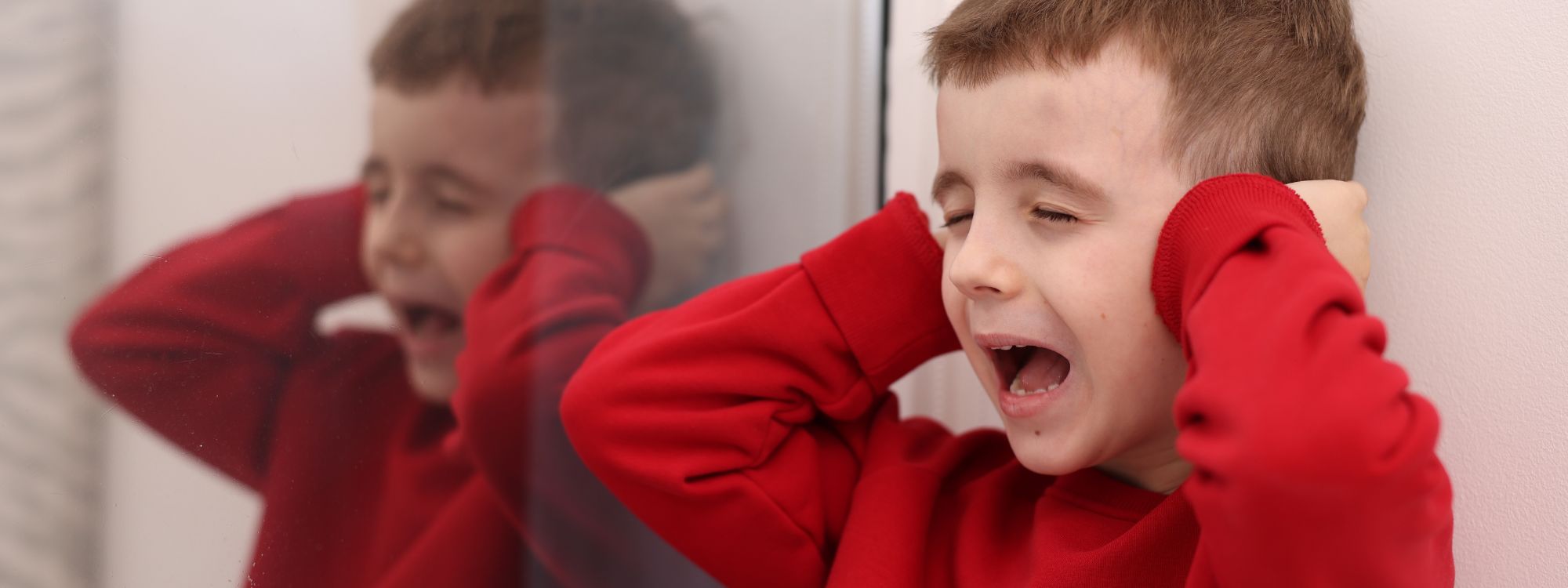
Behavior improvement for autism focuses on helping children with autism spectrum disorder develop positive behaviors, reduce unwanted behaviors, and build essential skills for everyday life. Many parents of an autistic child feel overwhelmed when facing challenging behavior, especially when it is not clear why these behaviors happen or how to respond effectively across different settings.
The key to improving a child’s behavior is not simply stopping problem behaviors, but understanding what drives them. For many children with autism spectrum disorder ASD, behavior is closely tied to communication difficulties, sensory input, and environmental factors. When language skills are limited, a child may use behavior as a way to express needs, discomfort, or frustration.
Parents looking for structured, professional support can explore services like in-home ABA therapy and diagnostic evaluations through Champions ABA. These services help identify patterns in a child’s behavior and implement effective strategies that support long-term development across home, school, and social settings.
What Is Behavior Improvement Autism?
Behavior improvement for autism refers to structured strategies that help children with autism reduce unwanted behaviors and develop appropriate behavior that supports independence and daily functioning. These approaches focus on understanding behavior through applied behavior analysis and teaching new skills that replace problem behaviors.
Behavior is not random. In many cases, certain behaviors are influenced by sensory issues, communication challenges, or emotional regulation difficulties. For example, a child who engages in head banging or self-injury may be responding to sensory overload, anxiety, or an inability to communicate effectively.
Applied behavior analysis ABA is a widely accepted approach used to improve behavior. It focuses on behavior analysis, identifying triggers, and using positive reinforcement to encourage desired behavior. Over time, this approach helps children learn coping skills, improve communication, and gain better self-control.
Why Do Challenging Behaviors Happen in Autism?
Challenging behavior in autism often happens because a child is trying to communicate a need, respond to sensory input, or cope with changes in their environment. Understanding these causes is essential for behavior improvement in autism and allows parents to implement effective strategies.
Children with autism may experience sensory overload, communication difficulties, or difficulty adjusting to a predictable routine. These factors can lead to frustration, anxiety, or problem behaviors when the child does not have the skills to respond differently.
Common Causes of Behavior
Before applying strategies, it is important to understand the underlying causes of behavioral issues. Each factor plays a role in shaping a child’s behavior and must be considered when developing a plan.
- Communication difficulties or limited language
- Sensory overload or sensory seeking behaviors
- Changes in daily routine or transitions
- Executive functioning challenges and reduced self-control
- Anxiety, sleep problems, or medical conditions
- Environmental factors such as noise, crowding, or physical touch
Behavior as Communication
A key principle in behavior improvement for autism is that behavior is communication. When a child cannot express their needs using language, they may rely on behavior instead.
For example:
- A child refusing tasks may be overwhelmed or lack the necessary skills
- A meltdown in public may be triggered by sensory input or anxiety
- Aggression may reflect frustration or difficulty with communication
Understanding this helps parents shift their focus from stopping behavior to teaching new skills that meet the same need more appropriately.
Step-by-Step Framework for Behavior Improvement in Autism
The most effective way to improve behavior in autism is to follow a structured framework that focuses on identifying triggers, teaching replacement behaviors, and reinforcing positive behaviors. This approach ensures consistency and supports long-term growth.
Applied behavioral analysis emphasizes understanding patterns in a child’s behavior rather than reacting in the moment. By identifying triggers and outcomes, parents and caregivers can better guide behavior change.
5-Step Behavior Improvement Framework
This structured process helps parents implement effective strategies in a clear and manageable way.
- Identify the specific behaviors and patterns
- Observe environmental factors and identify triggers
- Understand what the child gains or avoids
- Teach new skills and replacement behaviors
- Reinforce desired behavior using positive reinforcement
Behavior Breakdown Table
| Step | What It Means | Example |
| Trigger | Event before behavior | Transition from play |
| Behavior | Child reaction | Crying or refusal |
| Response | Strategy used | Visual schedule and support |
This framework helps parents move from reacting emotionally to implementing effective strategies that improve a child’s behavior over time.
7 Proven Behavior Improvement Strategies for Autism
Several effective strategies support behavior improvement in autism when applied consistently. These strategies help reduce unwanted behaviors, improve social skills, and support overall child development.
Parents often see the best results when these strategies are used within a supportive environment and reinforced across different settings. Consistency, patience, and motivation all play a role in helping children learn new skills.
Strategy List
- Use positive reinforcement to encourage positive behaviors
- Create a predictable routine to reduce anxiety and uncertainty
- Use visual schedules and visual aids to improve understanding
- Offer choices to give the child a sense of control
- Teach communication skills to replace problem behaviors
- Reduce triggers related to sensory issues and environmental factors
- Stay calm and consistent to model appropriate behavior
These strategies are most effective when tailored to the child’s needs and used consistently across home, school, and social settings.
Structured programs like in-home ABA therapy help families apply these strategies in real-life situations, making behavior improvement more practical and sustainable.
Real-Life Examples of Behavior Improvement
Behavior improvement strategies become more effective when applied to real-life situations. Parents benefit from seeing how strategies work in everyday life, especially when managing challenging behavior.
Scenario Examples
These examples show how identifying triggers and applying strategies can lead to better outcomes.
- Refusing tasks at home
Trigger: Task feels overwhelming
Response: Break into smaller steps and reinforce effort - Meltdown during transitions
Trigger: Unexpected change in routine
Response: Use visual schedules and provide warnings - Aggression when frustrated
Trigger: Communication difficulties
Response: Teach communication skills and alternatives - Difficulty in social settings
Trigger: Sensory overload
Response: Reduce noise and provide calming techniques like deep breathing
These real-life examples highlight how behavior improvement for autism works when strategies are applied consistently.
What to Do Before, During, and After Behavior
Parents can improve behavior by focusing on what happens before, during, and after a behavior. This approach helps reduce unwanted behaviors and reinforces positive behaviors over time.
Before Behavior
- Set clear expectations
- Use visual supports and routines
- Prepare for transitions
During Behavior
- Stay calm and reduce demands
- Ensure safety and avoid escalation
- Support the child without punishment
After Behavior
- Reinforce appropriate behavior
- Teach replacement skills
- Use social stories to guide future responses
This structure helps children build coping skills and better emotional regulation.
How ABA Therapy Supports Behavior Improvement in Autism
ABA therapy is a widely accepted approach for behavior improvement in autism. It focuses on teaching new skills, reinforcing positive behaviors, and reducing challenging behavior through structured methods.
ABA therapy supports:
- Communication and language development
- Social interaction and social skills
- Reduction of problem behaviors
- Development of independence
Other approaches, such as pivotal response treatment and the Early Start Denver Model, can also support early intervention and overall child development.
Champions ABA offers in-home therapy, center-based programs, diagnostic evaluations, and parent training. These services provide professional support that helps children build skills across different settings and improve long-term outcomes.
When to Seek Professional Help for Behavior Challenges
Parents should consider professional support when behavior challenges become difficult to manage or impact daily life. While many strategies can be implemented at home, some situations require additional support.
Signs that support may be needed include:
- Aggression or self-injury
- Frequent behavioral issues
- Difficulty managing behavior at home or school
- High stress for parents and caregivers
Seeking help early allows for implementing effective strategies and improving outcomes for the child.
Behavior Improvement Takes Time, But Progress Is Possible
Behavior improvement for autism is a gradual process that requires patience, consistency, and the right support. Every child develops at their own pace, and progress may look different depending on their strengths and needs. The focus should always be on building skills that support long-term growth and meaningful participation in everyday life.
When children learn to replace challenging behavior with appropriate behavior, they gain confidence and improve their ability to navigate social settings, routines, and daily life. These improvements foster growth not only for the child but also for families who want a more supportive and predictable environment.
If you’re ready to explore evidence-based support for your child, Champions ABA is here to help. Families across Connecticut, Massachusetts, and Colorado trust our board-certified behavior analysts for personalized, research-backed ABA therapy and comprehensive diagnostic evaluations. Contact us today to schedule your child’s assessment and learn how an individualized ABA plan can support communication, learning, and daily life skills.
Conclusion
Improving behavior in autism takes time, consistency, and a clear understanding of what your child is trying to communicate. By focusing on identifying triggers, teaching replacement skills, and reinforcing positive behaviors, parents can help their child develop stronger communication, self-control, and independence. Small, consistent steps across daily routines and different settings can lead to meaningful progress over time. With patience and the right approach, behavior improvement becomes a process of growth that supports both the child’s development and a more balanced, supportive home environment.
If you’re ready to take the next step in improving your child’s behavior, Champions ABA is here to support you. Families across Connecticut, Massachusetts, and Colorado trust our board-certified behavior analysts for personalized, evidence-based ABA therapy and comprehensive diagnostic evaluations. Reach out today to schedule your child’s assessment and learn how a customized ABA plan can help reduce challenging behaviors, build positive skills, and support long-term success in daily life.
FAQs
What is behavior improvement in autism?
Behavior improvement for autism focuses on reducing unwanted behaviors and teaching positive behaviors that support daily functioning. It involves identifying triggers, teaching new skills, and reinforcing appropriate behavior. This approach helps children with autism build communication, social skills, and independence over time.
What therapies help with behavior improvement in autism?
Applied behavior analysis ABA is one of the most effective therapies for improving behavior in autism. Other therapies include language therapy, occupational therapy, and early intervention approaches like the Early Start Denver Model. These therapies support overall development and behavior improvement.
How long does it take to see behavior improvement in autism?
The timeline varies depending on the child’s needs, consistency of intervention, and level of support. Some children show improvement within weeks, while others may take longer. Consistent practice and professional support are key success factors.
Can behavior improvement in autism happen at home?
Yes, many strategies can be implemented at home using routines, reinforcement, and structured teaching. Parents can create a supportive environment that encourages positive behaviors. However, professional support can enhance results by providing a structured and individualized plan.