 Sarah
Sarah
High-Functioning Autism Behavior Problems in Children
Many parents notice that their child communicates clearly, performs well academically, or shows above-average intelligence, yet still struggles with daily behavior challenges. These patterns are often described as high-functioning autism behavior problems, which can include emotional outbursts, difficulty understanding social cues, sensory sensitivities, and challenges with communication or transitions. While a child may excel in some areas, differences in social communication, emotional regulation, and sensory processing can affect everyday life.
High-functioning autism is part of autism spectrum disorder, a developmental condition described in the Diagnostic and Statistical Manual used by clinicians to identify developmental and behavioral differences. Children with this form of functioning autism often have strong verbal communication skills and may maintain conversations about favorite topics, but they can still experience communication challenges, misunderstand body language, or misinterpret facial expressions during social interactions.
Families across Connecticut, Colorado, and Massachusetts often search for guidance when these patterns begin affecting school, friendships, or daily routines. Although the term “high functioning autism” is not an official diagnosis, it is commonly used to describe children on the autism spectrum who have strong language abilities but still experience meaningful behavioral challenges.
Parents who notice persistent emotional struggles, sensory sensitivities, or difficulty navigating social situations may benefit from a professional evaluation. Champions ABA provides diagnostic evaluation services designed to help families understand autism symptoms and determine the most appropriate support plan for their child.
What Is High-Functioning Autism?
High-functioning autism is a term used to describe individuals with autism spectrum disorder who demonstrate average or strong intellectual abilities while still experiencing challenges related to communication, emotional regulation, and behavior. In earlier clinical language, this presentation was often associated with Asperger’s syndrome, but modern diagnostic guidelines place these characteristics within the broader autism spectrum.
Children with high-functioning autism often demonstrate strong memory, advanced vocabulary, or a deep interest in specific subjects. At the same time, they may struggle with nonverbal communication, interpreting tone, or understanding figurative language. These communication differences can affect friendships, classroom participation, and daily routines.
Many autistic individuals also experience challenges with abstract concepts, reading social norms, or interpreting subtle signals such as tone of voice or facial expressions. These difficulties can lead to misunderstandings in social situations, even when the child wants to connect with others.
Common traits of high-functioning autism include:
- Difficulty interpreting body language or facial expressions
- Trouble maintaining eye contact during conversations
- Strong preference for consistent routines
- Sensory sensitivities to loud noises, textures, or bright lights
- Deep interest in specific topics or hobbies
- Difficulty interpreting sarcasm or figurative language
- Challenges navigating unstructured social interactions
These characteristics alone are not behavioral problems. However, when a child experiences stress, sensory overload, or communication misunderstandings, these traits can contribute to the challenging behaviors parents often observe.
Why Behavior Problems Occur in High-Functioning Autism
Many high-functioning autism behavior problems occur because the brain processes information differently. Children with autism spectrum disorder may interpret sensory input, emotions, and social signals in ways that differ from typical development. When the environment becomes confusing or overwhelming, emotional responses can intensify.
These reactions are often connected to emotional dysregulation rather than intentional misbehavior. For example, a child who struggles to interpret tone of voice or read nonverbal communication may feel anxious during group conversations. Similarly, environments with bright lights or loud noises may create sensory overload, leading to emotional outbursts or withdrawal.
Several underlying factors often contribute to behavior challenges.
Key Factors Influencing Behavior
Children with high-functioning autism may experience behavioral challenges because of:
- Sensory sensitivities to noise, light, or textures
- Difficulty interpreting social cues or body language
- Communication difficulties related to figurative language or abstract concepts
- Anxiety triggered by unfamiliar social situations
- Trouble shifting attention between activities
- Limited coping mechanisms for overwhelming feelings
Environmental factors can also contribute. Busy classrooms, crowded stores, or unpredictable schedules may trigger stress responses. Without effective coping strategies, children may react through emotional outbursts, repetitive behaviors, or withdrawal from social interactions.
Understanding these triggers allows parents and therapists to develop effective behavior management plans.
7 Common High-Functioning Autism Behavior Problems
Children with high-functioning autism may display a range of behaviors that reflect emotional or sensory stress. These reactions are not intentional acts of defiance but expressions of confusion, anxiety, or sensory overload.
Below are common high-functioning autism behavior problems that parents and teachers frequently observe.
Emotional Outbursts During Transitions
Sudden schedule changes can trigger anxiety. Children who rely on predictable routines may become upset when transitions occur unexpectedly.
Rigid Routines
Many autistic individuals rely on consistent routines to feel safe and organized. Even small changes can create stress or frustration.
Social Misunderstandings
Difficulty interpreting social norms, tone of voice, or facial expressions can lead to misunderstandings with peers.
Difficulty Managing Frustration
Children may experience heightened anxiety or difficulty calming down when expectations are unclear or situations feel overwhelming.
Repetitive Behaviors
Repetitive behaviors or repeated questioning may help a child manage uncertainty or stress.
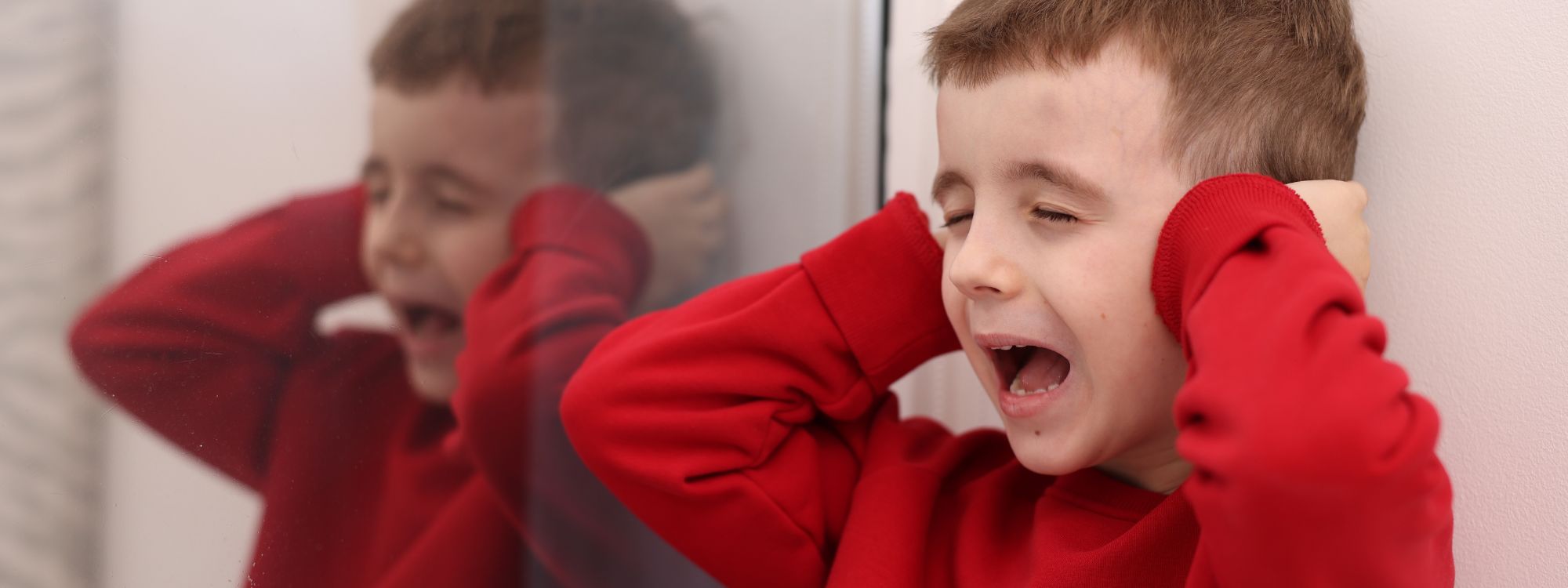
Sensory Overload Reactions
Busy environments with loud noises, bright lights, or crowded spaces may cause emotional reactions due to sensory challenges.
Masking at School and Meltdowns at Home
Some children suppress emotional responses during the school day but release stress at home once they feel safe.
| Behavior | Possible Cause | Support Strategy |
| Emotional outbursts | sensory overload | visual supports |
| Rigid routines | anxiety about unpredictability | consistent schedules |
| Social misunderstandings | difficulty reading cues | social skills training |
| Repetitive questioning | stress relief mechanism | supportive routines |
Understanding these patterns helps families focus on appropriate strategies rather than punishment.
How Behavior Challenges Affect Daily Life
Behavior challenges can influence many areas of a child’s daily life, including school performance, friendships, and family routines. Even when a child has strong academic abilities, navigating social expectations and emotional responses can be difficult.
At Home
At home, children may struggle with transitions between activities such as homework, meals, or bedtime. Emotional reactions may occur when routines change or expectations feel unclear. Parents may also notice aggressive behaviors, emotional outbursts, or difficulty completing tasks that require strong organizational skills.
At School
In the classroom, children may perform well academically but experience challenges during group work or peer interaction. Interpreting nonverbal communication, maintaining conversations, or responding to figurative language can create confusion. Educational environments that include loud noises or unpredictable changes may increase anxiety.
In Community Settings
Crowded places such as stores, restaurants, or social events can create sensory stress. Bright lights, unfamiliar sounds, and unexpected changes in routine may trigger emotional responses.
These challenges highlight the importance of creating a structured environment and developing supportive routines that help children feel secure.
How ABA Therapy Helps Children With High-Functioning Autism
Applied Behavior Analysis (ABA) is one of the most researched and widely used behavioral therapies for autism spectrum disorder. ABA focuses on teaching practical skills, improving communication abilities, and helping children develop coping strategies for challenging situations.
Therapy programs are individualized, meaning each child receives intervention plans tailored to their specific strengths and needs. ABA therapists help children practice emotional regulation, social communication, and appropriate responses to everyday situations.
In-Home ABA Therapy
Practicing skills in the home environment allows children to apply learning to real-world routines. Therapists can guide families in creating consistent routines, building communication skills, and supporting emotional regulation. Families can learn more about the In-Home ABA Therapy Service here.
Center-Based ABA Therapy
Some children benefit from structured sessions where they can practice peer interaction and social learning in a supervised setting. Learn more about Center-Based ABA Therapy Services.
Families in Connecticut, Colorado, and Massachusetts can explore Champions ABA programs designed to support children across home, school, and community environments.
Why Parent Training Matters for Behavior Progress
Parents play a central role in helping children develop effective coping mechanisms. While therapy sessions teach skills, daily routines provide opportunities to practice those skills in real-world situations.
Parent training programs teach caregivers how to reinforce positive behaviors and respond calmly to challenging moments. These programs help families develop support strategies that encourage emotional growth.
Parents may learn techniques such as:
- using visual supports or visual aids to clarify expectations
- practicing calming techniques like deep breathing
- building predictable daily routines
- supporting communication during stressful situations
These methods help create a supportive environment where children can build confidence and emotional resilience.
When Behavior Challenges May Signal the Need for an Evaluation
Behavior challenges alone do not always indicate autism. However, persistent patterns of communication difficulties, sensory sensitivities, and emotional dysregulation may suggest that professional assessment could help.
Parents may consider seeking an evaluation if a child frequently experiences:
- difficulty maintaining conversations
- extreme reactions to sensory input
- social misunderstandings that affect friendships
- persistent emotional outbursts
Early evaluation helps families identify developmental patterns and create appropriate support plans. Champions ABA offers diagnostic evaluation services designed to help families better understand their child’s needs.
How Champions ABA Supports Children and Families
Champions ABA focuses on individualized therapy programs designed around each child’s unique strengths, learning style, and family environment. Instead of using standardized approaches, the team develops personalized plans that address behavioral challenges, communication development, and emotional management.
Programs may include social skills training, communication development, and behavior management techniques tailored to each child’s goals. Therapists collaborate with families, educators, and other providers to build a coordinated support network.
Families seeking ABA therapy in Connecticut, ABA therapy in Massachusetts, or ABA therapy in Denver, Colorado, can access programs designed to support children across multiple environments.
Exploring personalized ABA services can help families develop effective strategies that improve confidence, independence, and emotional growth.
Conclusion
Understanding high-functioning autism behavior problems helps parents recognize that many challenging behaviors are connected to differences in social communication, sensory processing, and emotional regulation, not intentional misbehavior. Children on the autism spectrum may experience difficulties interpreting social cues, managing overwhelming feelings, or adapting to unexpected changes in daily life. With the right support strategies, structured environments, and evidence-based behavioral interventions, many autistic individuals develop stronger coping mechanisms, communication skills, and confidence in social situations, allowing them to navigate daily life more comfortably and successfully.
If you’re noticing high-functioning autism behavior problems such as emotional outbursts, difficulty with social cues, or challenges managing sensory overload, early guidance can make a meaningful difference. At Champions ABA, we support families with personalized, evidence-based care designed around each child’s developmental strengths, needs, and daily routines. Our board-certified behavior analysts provide thoughtful diagnostic evaluations and individualized guidance to help families better understand their child’s development, communication, and learning skills. Families across Connecticut, Massachusetts, and Colorado trust our compassionate team for support that fits naturally into life at home, in school, and in the community. Contact Champions ABA to schedule a diagnostic evaluation and take the next step toward clear answers and meaningful support for your child’s growth.
FAQs
What are the struggles of high-functioning autism?
Individuals with high-functioning autism often experience challenges related to social communication, emotional regulation, and interpreting social cues. They may struggle to read body language, maintain eye contact, or understand figurative language during conversations. Sensory sensitivities and heightened anxiety can also make busy environments overwhelming. With appropriate support strategies and behavioral therapies, many individuals develop strong coping mechanisms and social skills.
Can a child with high-functioning autism lead a normal life?
Many children with high-functioning autism grow into successful adults who build relationships, pursue careers, and develop independence. Early support and appropriate educational resources can help children strengthen communication skills, emotional regulation, and coping strategies. Therapy programs such as applied behavior analysis help children practice social communication and build confidence in daily life.
What is it like to have high-functioning autism?
For many autistic individuals, everyday experiences can feel intense or overwhelming because sensory input and social information are processed differently. Conversations may require extra effort to interpret tone, facial expressions, or body language. Environments with loud noises or bright lights may trigger anxiety or sensory overload. At the same time, many autistic individuals demonstrate strong memory, creativity, and deep focus on topics they enjoy.
What is the best treatment for high-functioning autism?
There is no single treatment that works for every child, but applied behavior analysis (ABA) is one of the most widely used and researched behavioral interventions. ABA therapy focuses on improving communication abilities, emotional regulation, and social skills through structured learning and positive reinforcement. Programs that include family participation and parent training often produce the strongest long-term outcomes for children on the autism spectrum.