 Champions ABA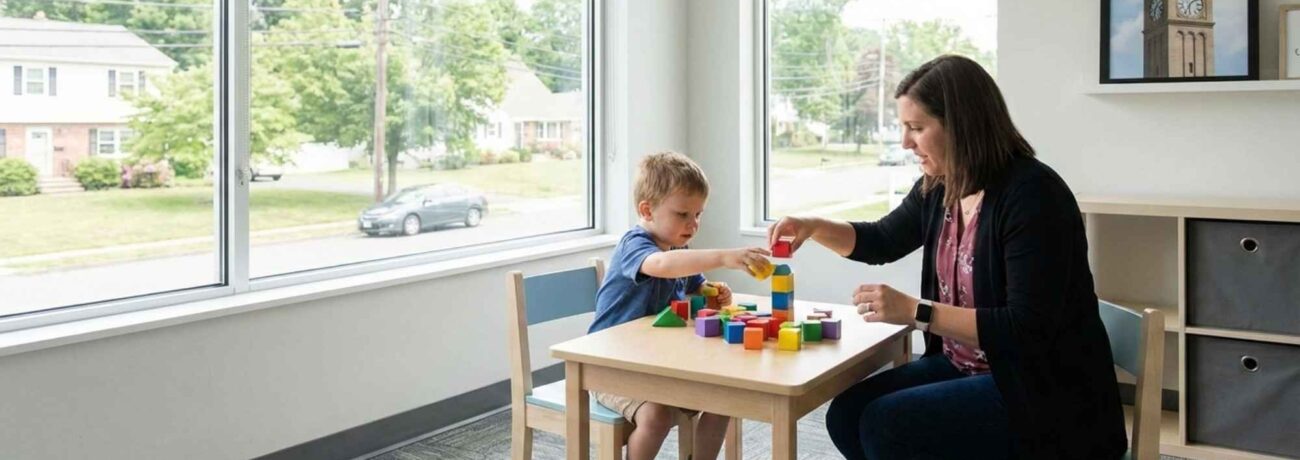
ABA Therapy Waterbury, CT: Support for Your Child’s Growth
If your child has been diagnosed with autism spectrum disorder or is showing signs of developmental delays, you may be searching for ABA therapy in Waterbury, CT, and wondering where to begin. Many families in Waterbury face similar mental health struggles, uncertainty, and pressure to make the right choice quickly, especially when early applied behavior analysis and early intervention can make such a meaningful difference. ABA is known for helping children achieve new communication, social, emotional, and daily living skills, and it offers a structured yet flexible therapy model built around the child, the family, and your long-term vision for a more fulfilling life.
Champions ABA provides personalized, whole-child ABA services that adapt to your home routine, school expectations, and family goals. Their team of professionals specializes in child-centered treatment plans, combining ABA with empathy, communication guidance, and coaching for parents and caregivers. If you’re ready to explore the next step in your child’s journey, you can schedule a consultation or diagnostic evaluation with Champions ABA to begin building the skills and confidence your child needs.
What ABA Therapy Is and Why It Helps Children in Waterbury, CT
ABA therapy is an evidence-based approach that helps children learn new skills, strengthen existing abilities, and reduce behaviors that interfere with learning or independence. It is built around the principles of behavioral science and uses step-by-step teaching to support growth in communication, emotional expression, social skills, and functional routines. This type of therapy has been well established in the autism field for decades, and thousands of agencies and clinics across the country rely on ABA because it works.
Children in Waterbury who receive ABA benefit from structured learning opportunities created by trained therapists, supported by professionals who analyze data and adjust goals. Behavior Technicians (RBTs) collect information throughout each session, and Board Certified Behavior Analysts (BCBAs) review that data to refine the treatment plan. This ongoing process ensures that ABA therapy is always tailored to the child’s ability, emotions, and learning style.
Families appreciate that ABA can be adapted to their home routines, school experiences, and community activities. Whether your child is practicing communication at home, navigating Waterbury preschool expectations, or learning to connect with peers at the park, ABA helps create consistency. For parents who want support at home, Champions ABA offers In-Home ABA Therapy Services with a structured schedule that fits your daily life.
Benefits of ABA Therapy for Children in Waterbury, CT
Children participating in ABA therapy in Waterbury often show improvements across communication, social interaction, emotional regulation, and daily self-help routines. Because ABA focuses on measurable progress, families can see the development of specific skills over time, everything from brushing teeth to using words or gestures to request help. Many children on the autism spectrum build confidence as they learn to engage with others and participate more fully in home, school, and community settings.
ABA strengthens core developmental areas, including:
- Communication and expressive language
- Social interaction and positive peer engagement
- Daily routines and independence
- Emotional flexibility and self-regulation
- School readiness and learning habits
- Eco-behavioral transitions across CT learning environments
Families often express that these improvements help their child feel more connected within the community and better prepared for a fulfilling life. Waterbury neighborhoods such as Bunker Hill, Town Plot, and nearby areas like Naugatuck and Cheshire frequently seek ABA support because of the meaningful impact it can have on early development.
Comprehensive vs. Focused ABA: What Families Should Know
ABA therapy programs fall into two main categories: comprehensive ABA and focused ABA. Each serves different needs depending on your child’s strengths, challenges, and developmental profile.
Comprehensive ABA (25–40 hours per week) is often recommended for younger children or those with multiple developmental needs. It resembles a full-time learning program and is supported by decades of research showing strong outcomes for children with autism. Focused ABA (5–20 hours per week) targets specific goals, such as improving communication, reducing challenging behaviors, or building a new skill like toileting or independent play.
| Feature | Comprehensive ABA | Focused ABA |
| Hours per week | 25–40 hours | 5–20 hours |
| Goal Type | Multiple skill domains | Specific skills or behaviors |
| Best For | Early intervention; broad developmental needs | Targeted challenges |
| Duration | Long-term support | Short-term skill building |
| Team Structure | RBT + BCBA | RBT + BCBA |
When families in Waterbury, CT speak with Champions ABA, the team evaluates your child’s abilities, strengths, and diagnosis to identify the right level of support. The professionals adjust the program as your child learns, improves, and shows readiness for new steps.
How ABA Therapy Works at Home, in Centers, and in the Community
ABA treatment can be delivered in a variety of settings depending on the child’s needs and the family’s goals. Each location supports different parts of the learning journey, and many families benefit from a combination of settings to encourage generalization.
In-Home ABA in Waterbury, CT
Home-based ABA is designed to help children learn through everyday routines. Children learn communication, play, self-help, and coping strategies in the spaces where they spend most of their time. Parents and caregivers often find this helpful because the strategies become part of their natural interactions. This model allows therapists to practice skills such as transitions, mealtime routines, or morning preparations while building a strong connection and trust.
Visit Champions ABA’s In-Home ABA Therapy Services page to see how these programs are tailored to your child.
Center-Based ABA for Structured Learning
Some children benefit from the more structured format of a center-based program. These environments focus on pre-academic learning, peer interaction, and consistent routines that mimic classroom settings. ABA centers in Waterbury help children practice skills related to listening, following directions, emotional regulation, and cooperative play. For many families, center-based support complements home sessions.
Community-Based and School Support
ABA therapy can also support learning across community settings such as playgrounds, stores, preschools, and parks. When therapists work directly with teachers or educators, they help reinforce expectations and create continuity between home and school environments. This type of integrated support empowers children to engage with peers, follow routines, and participate in structured activities across Waterbury, CT.
What an ABA Session Looks Like
ABA sessions are active, hands-on learning experiences. They vary for each client, but the process follows certain consistent steps. Sessions typically begin with reviewing goals, checking in with parents, and preparing learning materials. Therapists use play-based methods to keep children engaged, such as turn-taking games, sensory activities, or communication prompts.
If a child is learning expressive language, the therapist might practice labeling items or using gestures. If the goal is emotional regulation, therapists may use visual tools, simple mindfulness exercises, or practice transitions through role-play. Throughout the session, data is collected in both metric and imperial units when appropriate to track progress accurately. The BCBA later evaluates this information to adjust the plan and offer ongoing guidance to parents.
How to Start ABA Therapy in Waterbury, CT (Step-by-Step)
Beginning ABA therapy may feel overwhelming, but most families find the process easier than expected once they understand the steps. Champions ABA provides support at each point so parents can feel empowered and informed.
- Contact the ABA provider for an initial call.
- Verify insurance coverage for ABA therapy.
- Complete an autism evaluation or provide current documentation.
- Schedule an ABA assessment with a BCBA.
- Review a recommended treatment plan.
- Match with an RBT for ongoing services.
- Begin sessions at home, school, center, or community locations.
- Participate in parent training to reinforce progress.
Once your child is ready to begin, you can schedule a diagnostic evaluation with Champions ABA for the next steps.
Why Families Choose Champions ABA in Waterbury, CT
Champions ABA is known for its dedicated, compassionate approach to serving children with autism. Their mission is rooted in empathy, collaboration, and evidence-based care. The team creates tailored programs that support communication, learning, emotional growth, and independence. Families appreciate that Champions ABA works across environments, home, school, and neighborhood that care is never one-size-fits-all.
BCBAs and RBTs help families better understand their child’s behaviors, emotions, and learning style. Parents learn practical strategies to support their child at home, while therapists help children practice skills in real-world settings. Champions ABA also works with adults, adolescents, and families navigating co-occurring conditions such as ADHD or behavioral challenges, offering holistic support that improves long-term outcomes.
Local Autism Resources for Families in Waterbury, CT
Families can access many supportive resources throughout Waterbury and the surrounding areas. These programs help with early evaluations, special education services, and ongoing developmental support:
- Connecticut Birth to Three System for early intervention.
- Child Development Infoline for mental health guidance.
- Waterbury Public Schools Special Education Department.
- Local pediatric clinics specializing in autism diagnosis.
- Community support groups that help families navigate challenges.
These organizations often work alongside ABA providers to support families throughout their care journey.
Conclusion
ABA therapy in Waterbury, CT, helps children build essential life skills, improve communication, strengthen social skills, and increase independence through structured, evidence-based interventions. Families benefit from programs that adapt to their routines, preferences, and needs. Champions ABA provides personalized care through in-home, center-based, and community models that support lifelong growth.
At Champions ABA, we support Waterbury families with individualized autism care built around meaningful daily progress. Our board-certified behavior analysts design applied behavior analysis programs that include in-home ABA services, parent coaching, and collaborative guidance with schools, medical teams, and community partners. Families across Connecticut rely on our compassionate team to help children strengthen communication, independence, emotional skills, and social connections through a nurturing, evidence-based approach. Contact Champions ABA today to schedule a diagnostic evaluation and begin a personalized autism support plan tailored to your child’s unique needs.
FAQs
What is the best age to start ABA therapy?
The best age for ABA therapy is as early as possible, ideally during the toddler years when brain development is most flexible. Early intervention helps children build communication, social, and emotional regulation skills quickly, but older children and adolescents can benefit as well. ABA therapy is always tailored to the person, and Champions ABA supports families across Waterbury, CT, at every stage.
What is the 80/20 rule in ABA?
The 80/20 rule is a teaching principle where children practice 80 percent familiar tasks and 20 percent new or challenging skills. This helps maintain confidence while introducing growth opportunities. It ensures each child feels supported while still being encouraged to try new things. ABA professionals adjust this ratio depending on the learner’s needs and emotions.
How much do ABA therapists make in CT?
Income for ABA therapists in Connecticut varies based on experience, certification, and setting. RBTs usually earn around 20 to 30 dollars an hour, while BCBAs earn significantly more due to their advanced training. Agencies and clinical centers may offer different pay structures. If you are interested in a rewarding career path, Champions ABA offers opportunities for dedicated RBTs and BCBAs passionate about helping children.
What is the downside of ABA therapy?
Some concerns about ABA therapy include rigid programs or repetitive lessons when therapy is not personalized. High-quality ABA avoids these issues by integrating creativity, play, and emotional support into each session. Families may also find intensive hours challenging, but flexible scheduling and hybrid models can reduce strain. If you’re unsure about the right solutions for your child, you can schedule a consultation to review options with a BCBA.